
Category: Home Health Skills
-
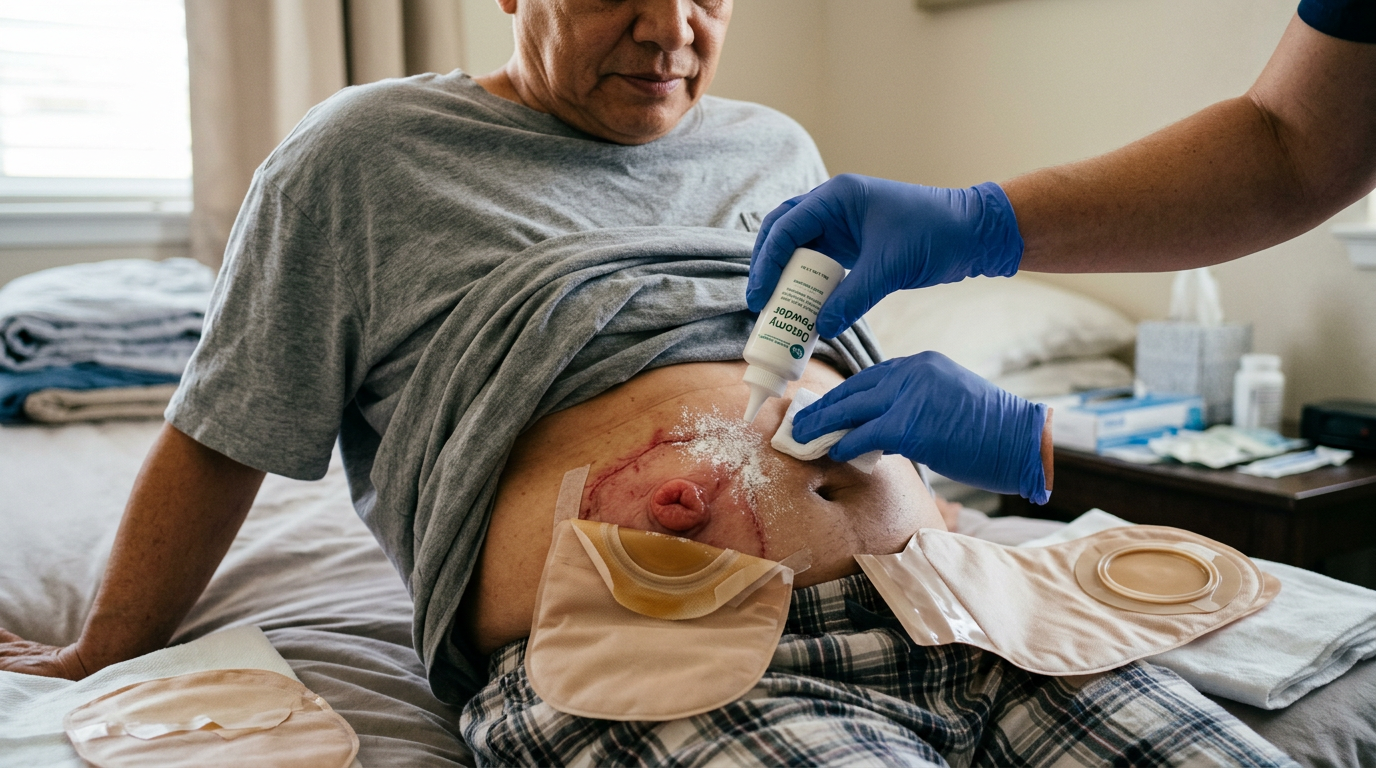
Ostomy Powder: One of Home Health’s Best-Kept Secrets (And It’s Not Just for Ostomies)
Think ostomy powder is only for ostomies? Learn how home health nurses use it to protect the periwound, prevent maceration, improve wound vac seals, and manage moisture using the crusting technique.
-
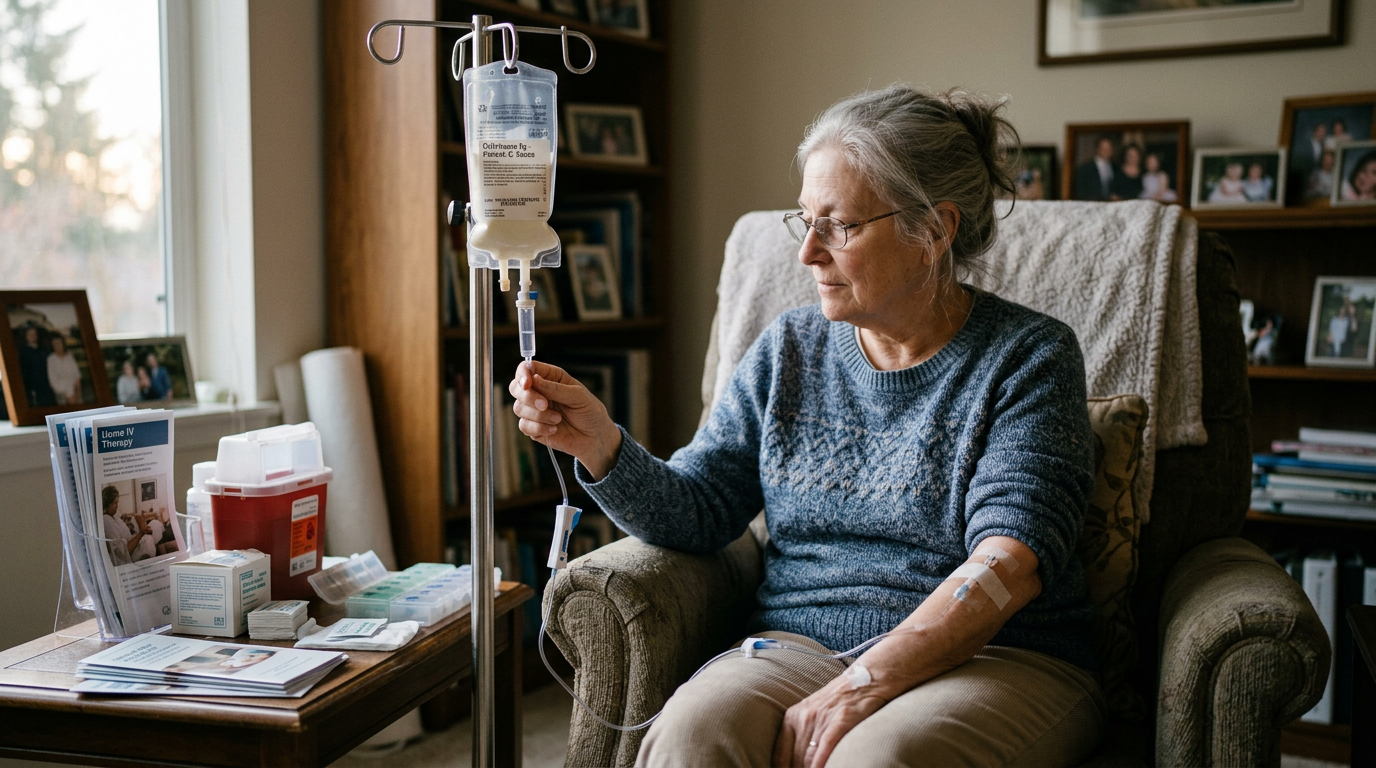
Why Patients Are Taught to Give Their Own IV Antibiotics at Home
Wondering why a home health nurse teaches patients or caregivers to give their own IV antibiotics instead of coming every day? Learn how home IV antibiotic therapy works, what “teach-and-train” means, how PICC lines are safely managed at home, and why this approach helps patients recover safely while maintaining their…
-
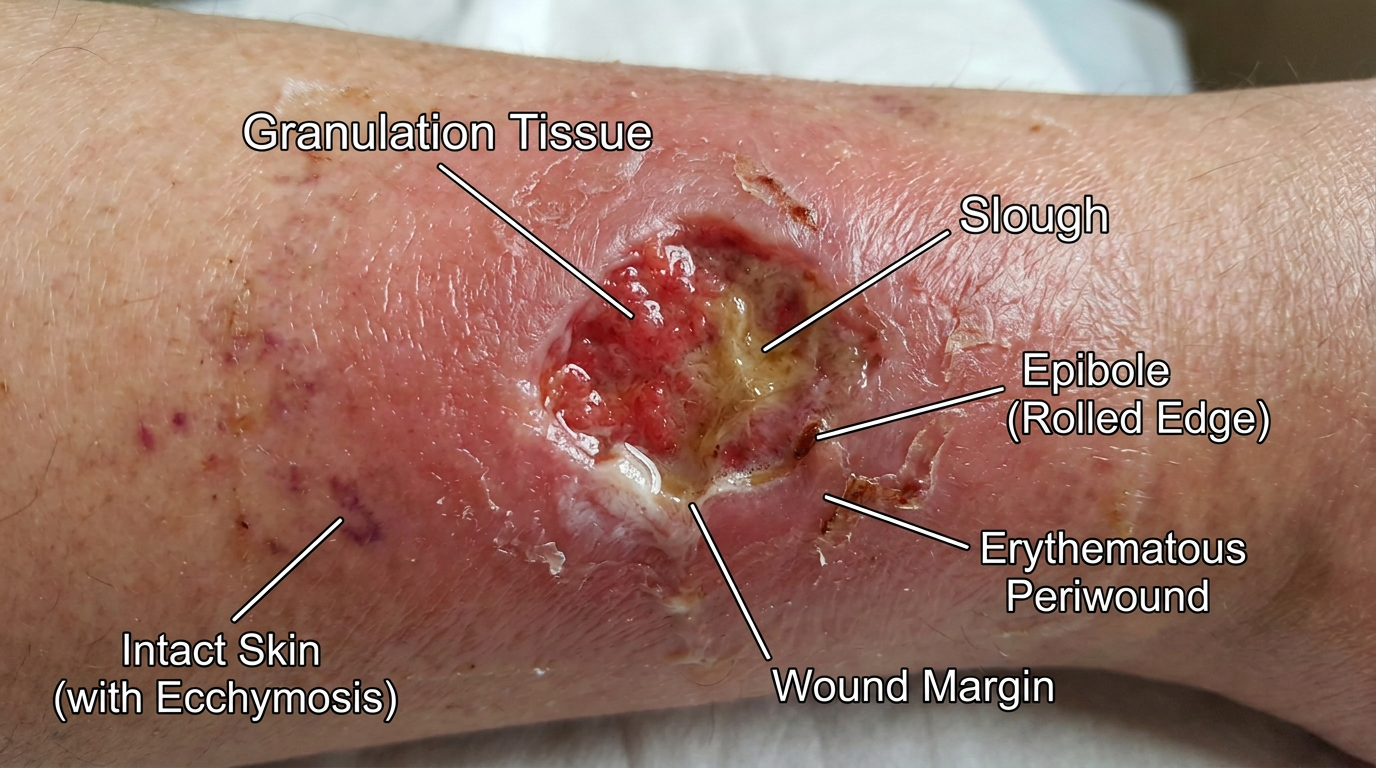
What Home Health Nurses Can Do to Protect the Periwound
Most nurses think ostomy powder is only for ostomies—but it’s one of the best-kept secrets in home health wound care. Learn when to use it, how it protects the periwound, and why it can make wound vac dressing changes much easier.
-

15 Home Health Wound Vac Tips Every Nurse Should Know
Learn practical wound vac tips every home health nurse should know, from preventing air leaks and protecting the periwound to managing Prevena™ and traditional NPWT dressings. These real-world wound care tips can help make every wound vac visit easier and more successful.
-
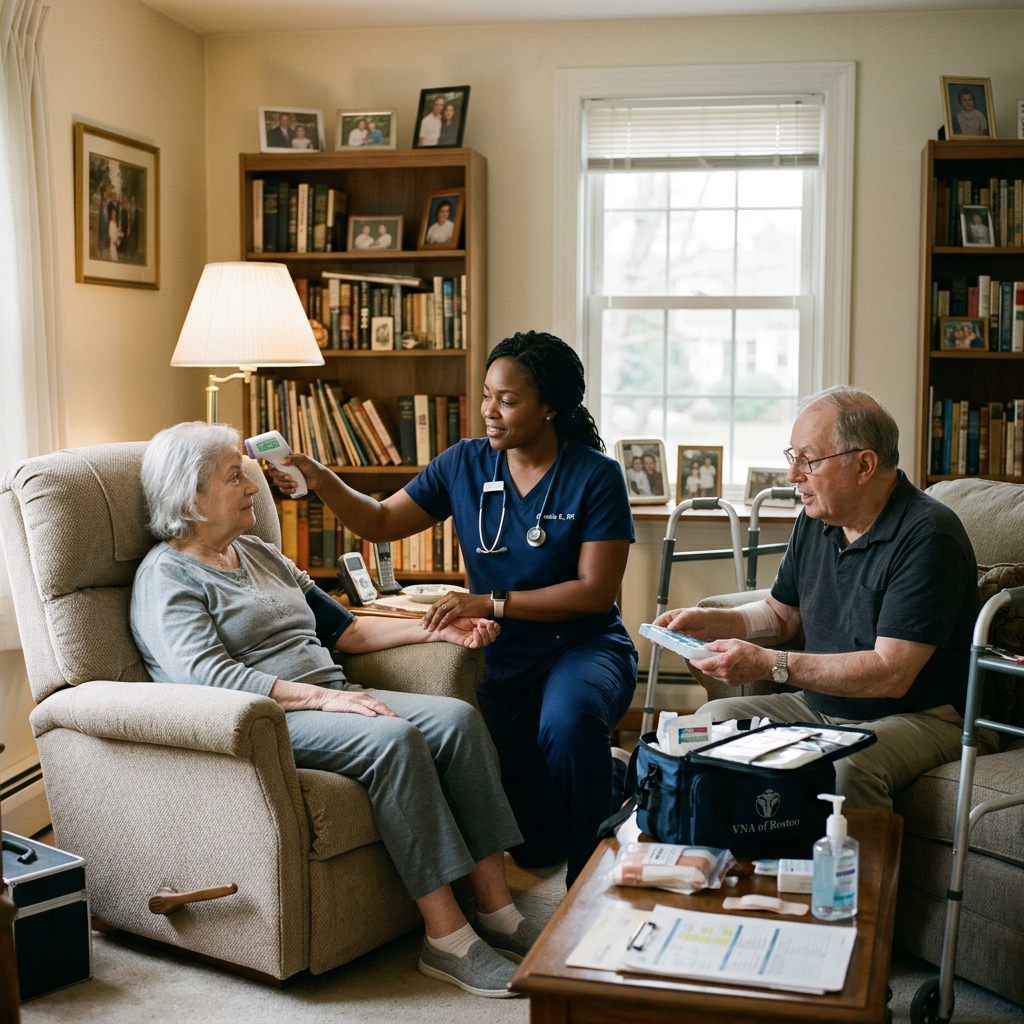
Common Home Health Nursing Skills (And What You’ll Actually Be Doing)
Thinking about becoming a home health nurse? These are the skills you’ll actually use in patients’ homes—and the lessons I wish someone had taught me before my first visit.
-
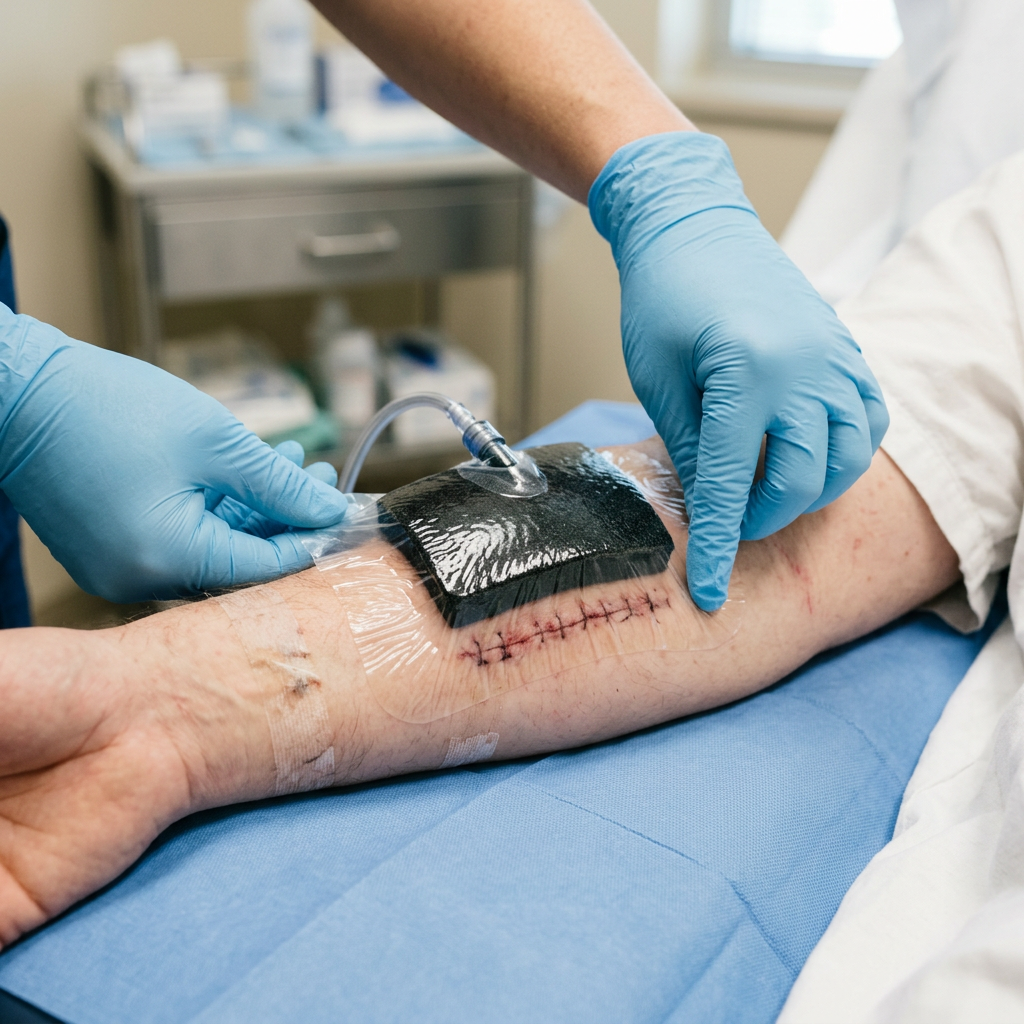
The Real Challenge of Wound Vacs Isn’t the Wound
If you’ve ever spent 30 minutes chasing a wound vac air leak only to hear that alarm go off again, you’re not alone. After years in home health, I’ve learned a few things about wound vacs, transparent dressings, and the patience it takes to make them work.
-
Before You Choose a Dressing: A Home Health Nurse’s Guide to Identifying 18 Common Wounds
One of the biggest challenges for a home health nurse is choosing the right dressing for a wound. Unlike the hospital, where wound care specialists may already be involved, we often walk into a patient’s home and are the first clinician to perform a thorough wound assessment. Every wound is…